

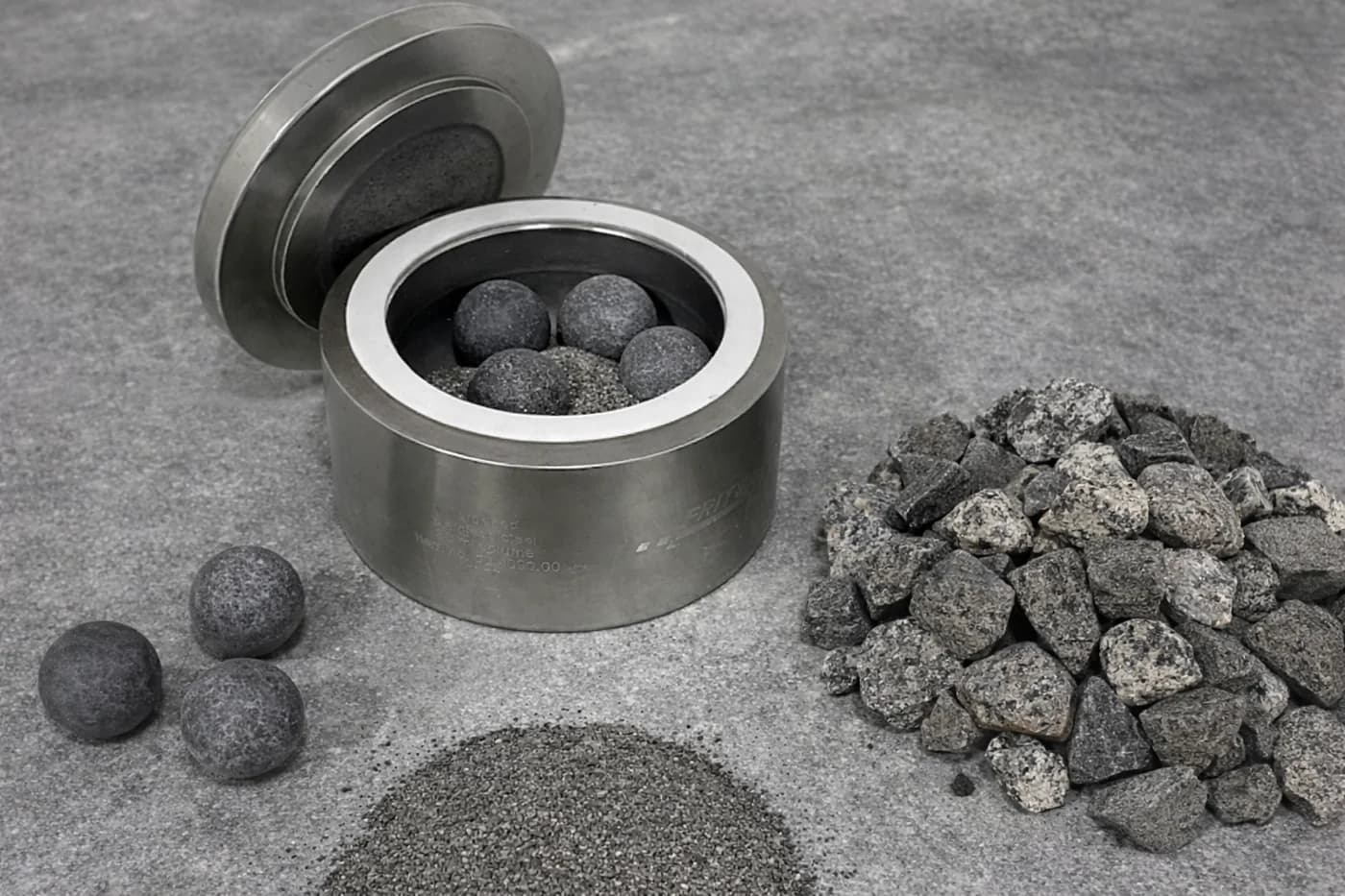
Particle-size control for representative sampling
Each rock fragmentation assignment starts with a structured technical frame focused on particle-size control for representative sampling so that execution begins on a defensible basis.
Contact us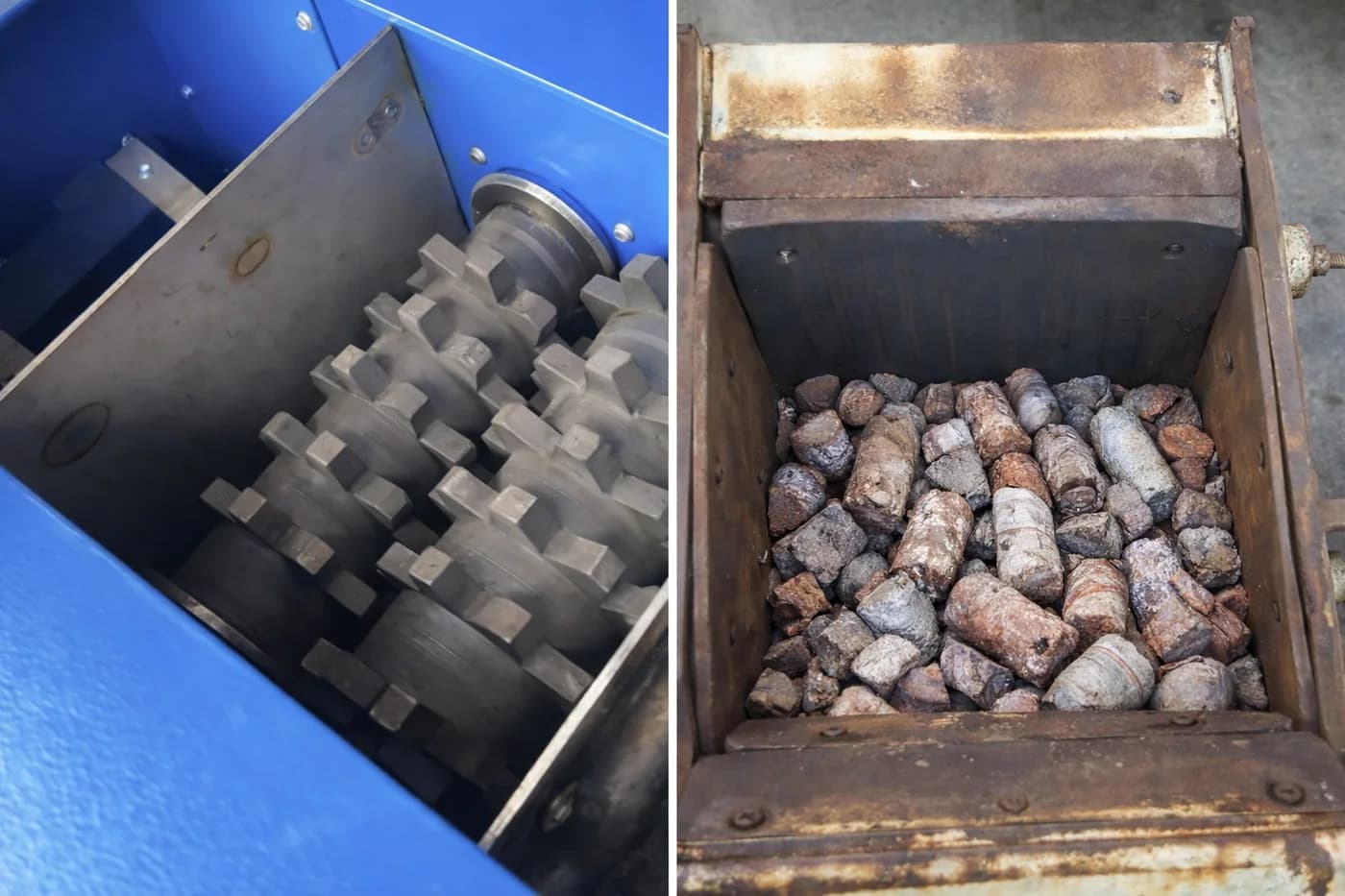
Fragmentation and grinding are critical steps in mineral processing because they condition sample integrity, analytical reliability, and downstream recovery.
A controlled size-reduction strategy improves particle-size distribution, limits over-grinding, and supports more robust technical decisions on plant design and operating parameters.
Each rock fragmentation assignment starts with a structured technical frame focused on particle-size control for representative sampling so that execution begins on a defensible basis.
Contact us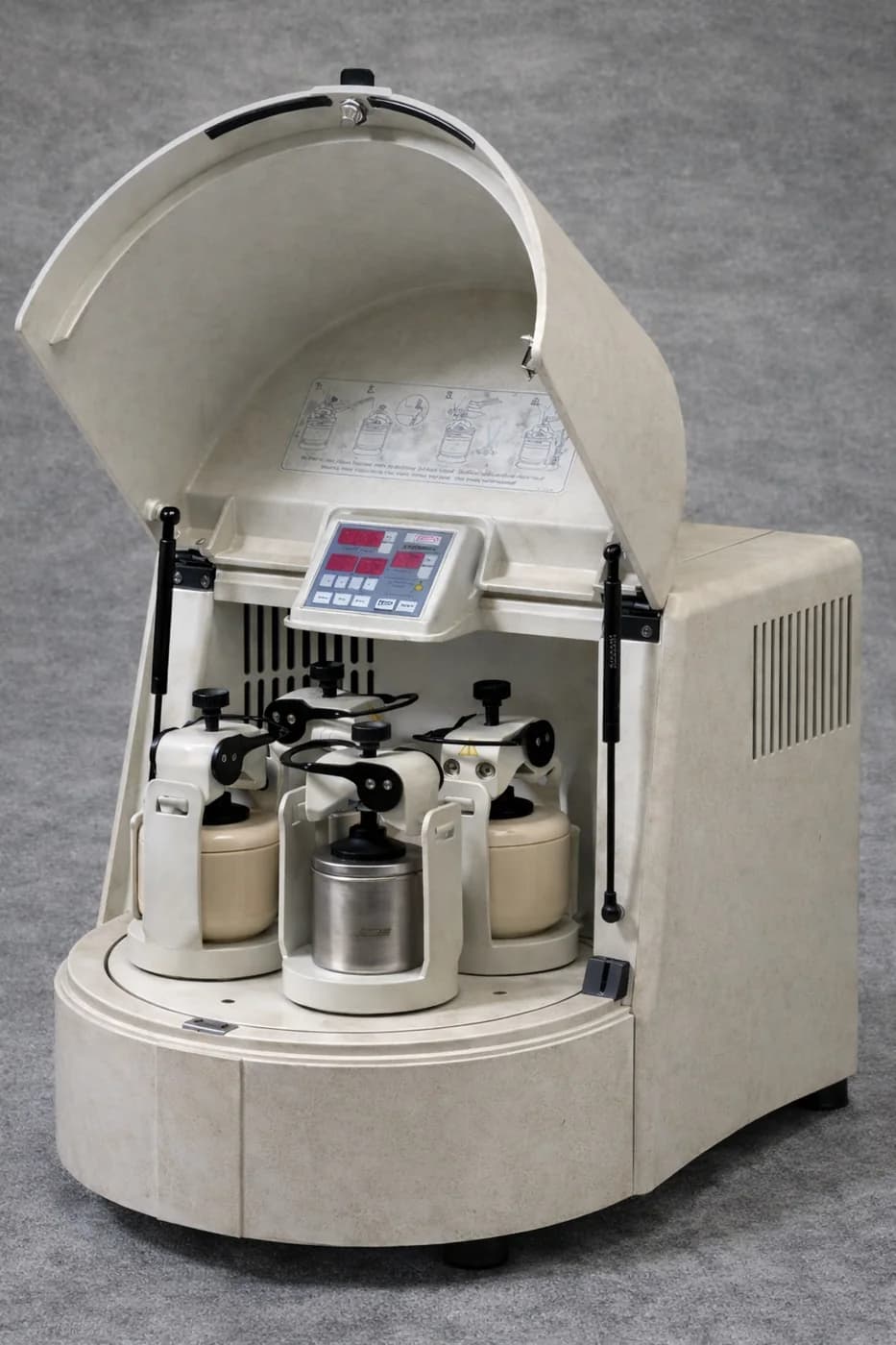
The operating sequence is built around improved liberation and metallurgical recovery in order to reduce variability, improve control, and support field teams with usable methods.
Launch a mission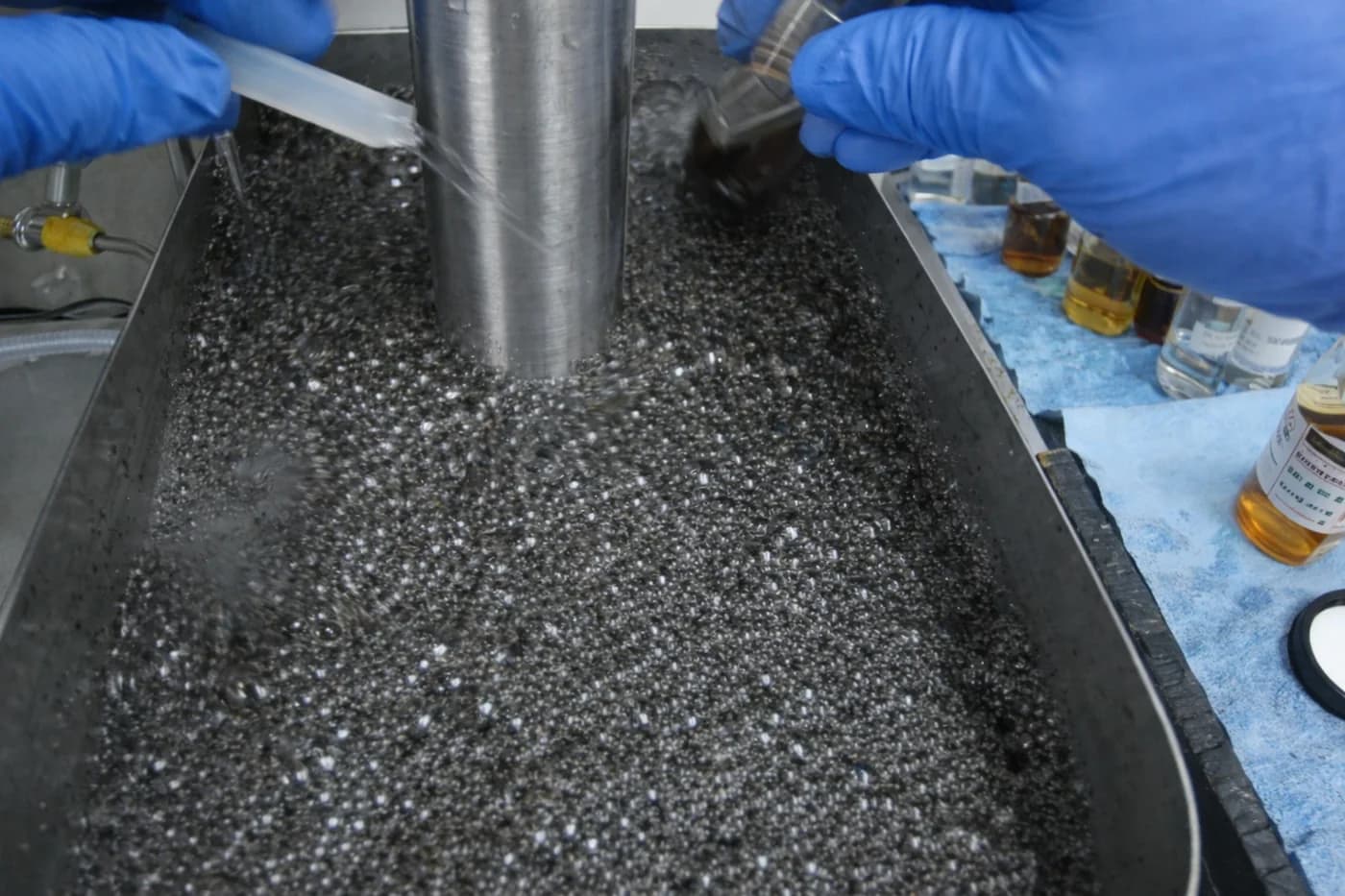
Deliverables document reduced operating losses and unnecessary fines generation so that operators, institutions, and partners can act on the results with confidence.
Explore services
We anchor more defensible data for process and investment decisions into standards, tools, and routines that remain useful after the engagement.
Contact usTo reach a particle size distribution suited to the next step, whether that is sampling, laboratory analysis, or metallurgical test work, while avoiding unnecessary fines generation.
We monitor feed size, particle size distribution, grinding consistency, and over-grinding risk to protect sample representativeness and metallurgical recovery.
Standardized preparation chain to ensure representativeness and reduce analytical bias.
Learn moreTargeted analysis to determine composition, variability, and value/penalty elements.
Learn moreTest programs designed to optimize recovery, process routes, and metallurgical performance.
Learn more